Aug. 19, 2026
Here's the quiet profit leak in most lash studios: the refill tray. Every lash artist knows the pain of running out of 9mm in the middle of a full set, opening a new sealed pack for a handful of lashes, and watching the cost of that set creep upward with every unused strand. For a studio doing 8–15 sets a week, the difference between a smart refill format and a wasteful one is hundreds of dollars a month — and hours of interrupted service.
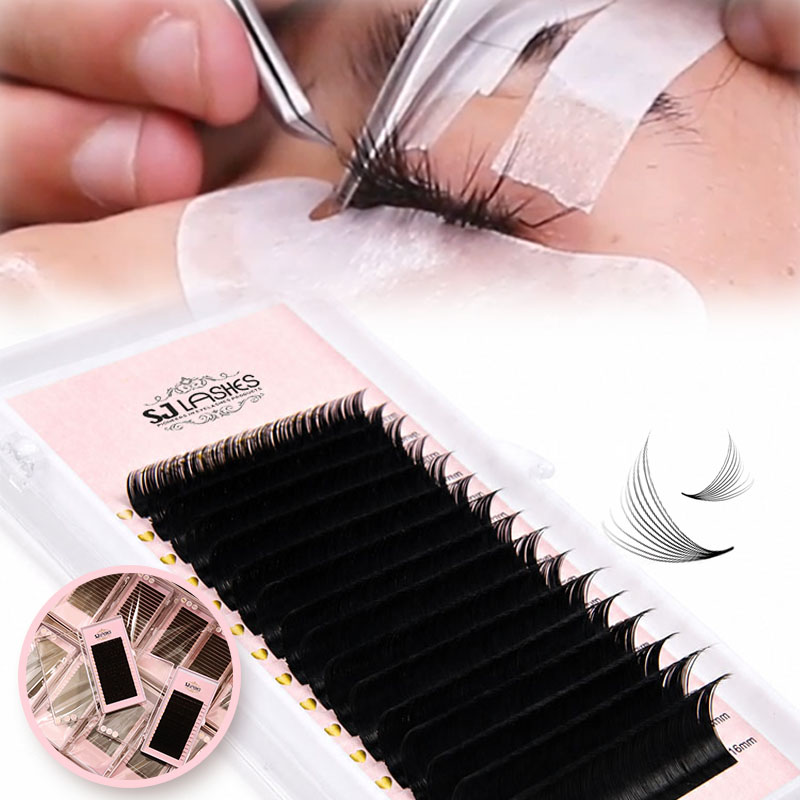
The two dominant refill formats couldn't be more different. The dense lash back card — a tray with rows of individual lashes, length-coded and bulk-packed — is built for volume and speed. The individually sealed lash pack is built for convenience and portability. Choosing wrong means paying for lashes you never use, or slowing down your service at the worst possible moment.
From our experience manufacturing dense-row trays for bulk buyers at SJ LASHES, the answer for busy salons is almost always the back card. In this guide, we break down the unit economics, the density math and the workflow impact of both formats — and give you a practical framework, whether you're a studio owner stocking refills or a brand sourcing lash refills wholesale.
If your studio runs more than 3 full sets a week, the strongest move in 2026 is switching your refill stock to dense lash back cards — length-coded, bulk-packed, and priced per lash instead of per pack.
→Request a quote and samples for bulk dense trays: Contact SJ LASHES
For volume salons, the dense lash back card wins on every number that matters. A dense tray packs hundreds of individual lashes onto one length-coded card at a per-lash cost 40–70% below sealed packs, and it eliminates the "open a new pack for three lashes" waste that quietly eats studio margins. Sealed packs still win for travel kits, student kits and low-volume beginners who use a dozen lashes per month. But for a working studio, the back card cuts refill cost and speeds up every set — one tray, all lengths, reach and pick.
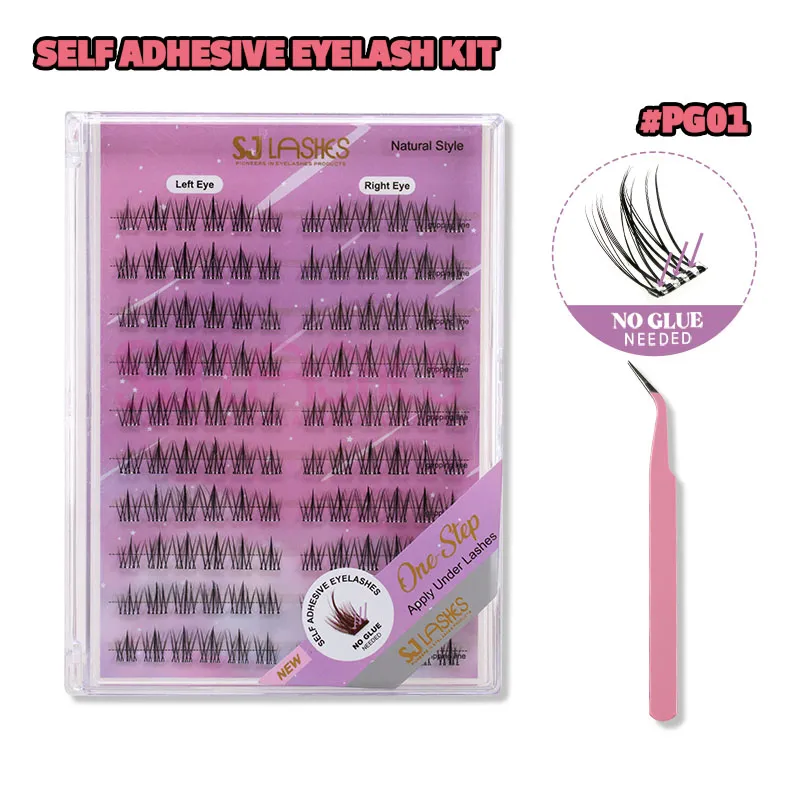
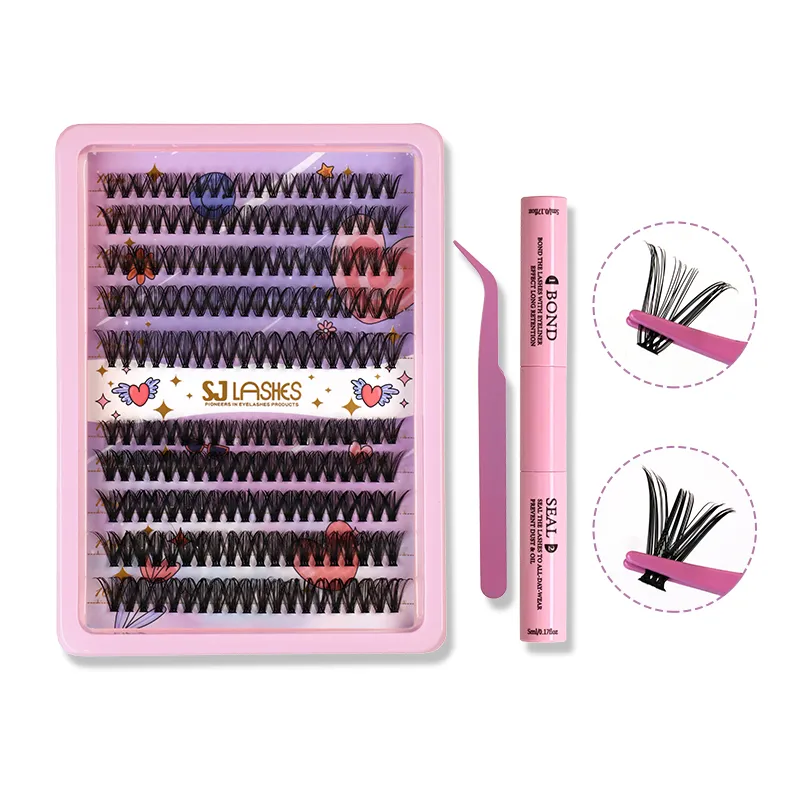
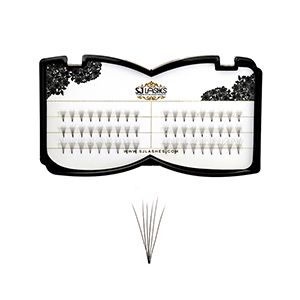
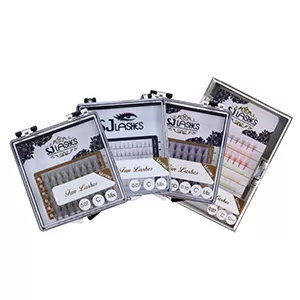
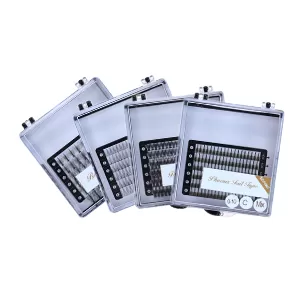
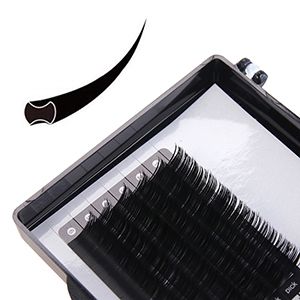
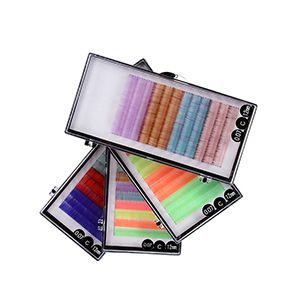
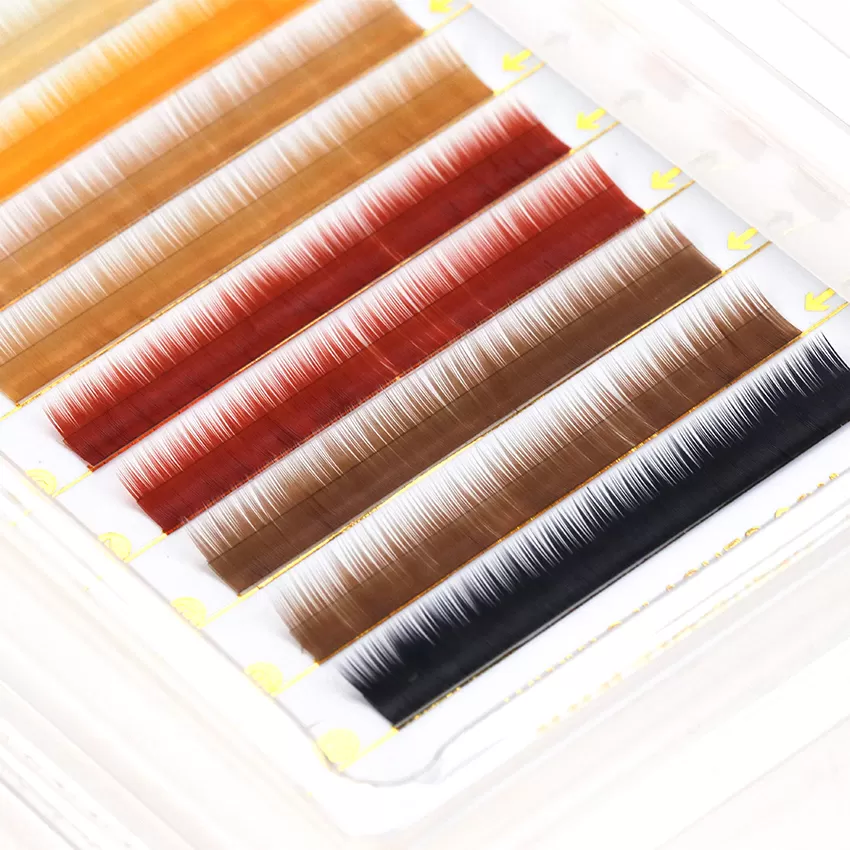
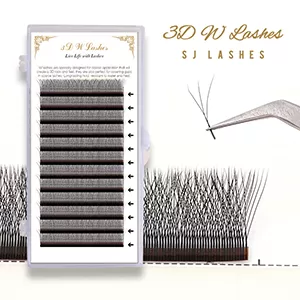
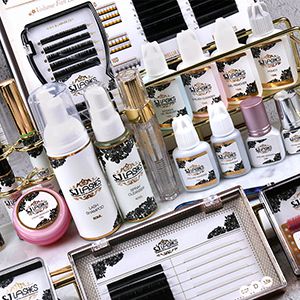
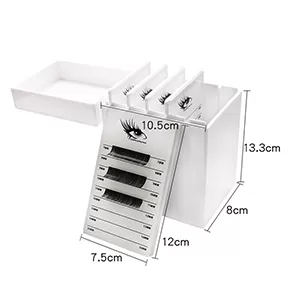
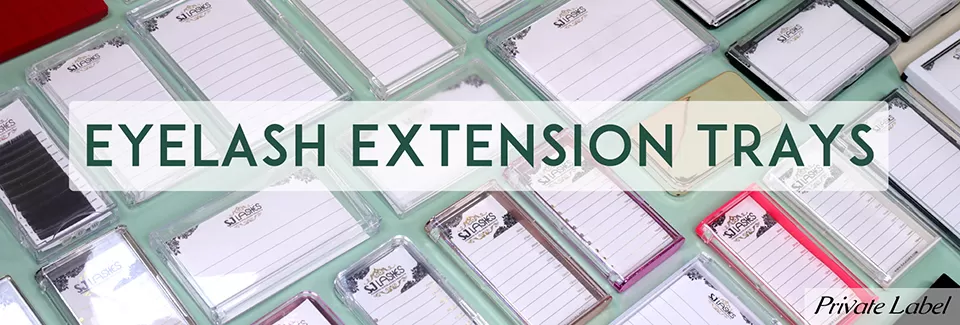
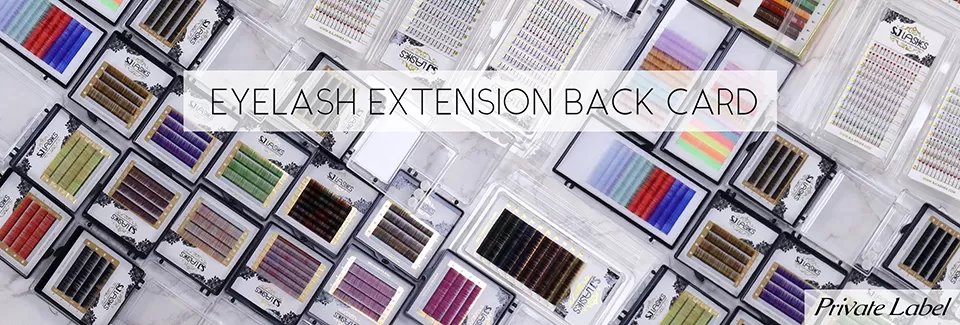
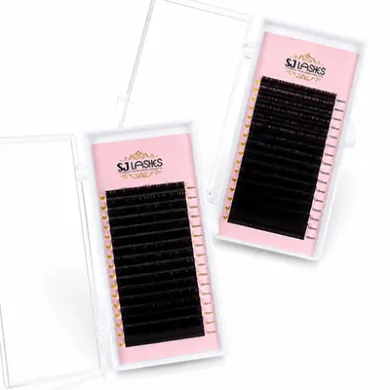
The dense lash back card is a professional refill format: a card or tray — usually pink-backed for contrast — holding multiple dense rows of individual lashes, with length indicators printed down the side (e.g., 8–15mm) so the artist locates the exact length at a glance. A clear plastic lid keeps the rows dust-free; the whole tray is bulk-packed, multiple trays per carton. The SJ LASHES dense tray format (e.g., our USA dense-row bulk series) pairs the length-coded pink backing with a transparent lid — open, reach, pick, close.
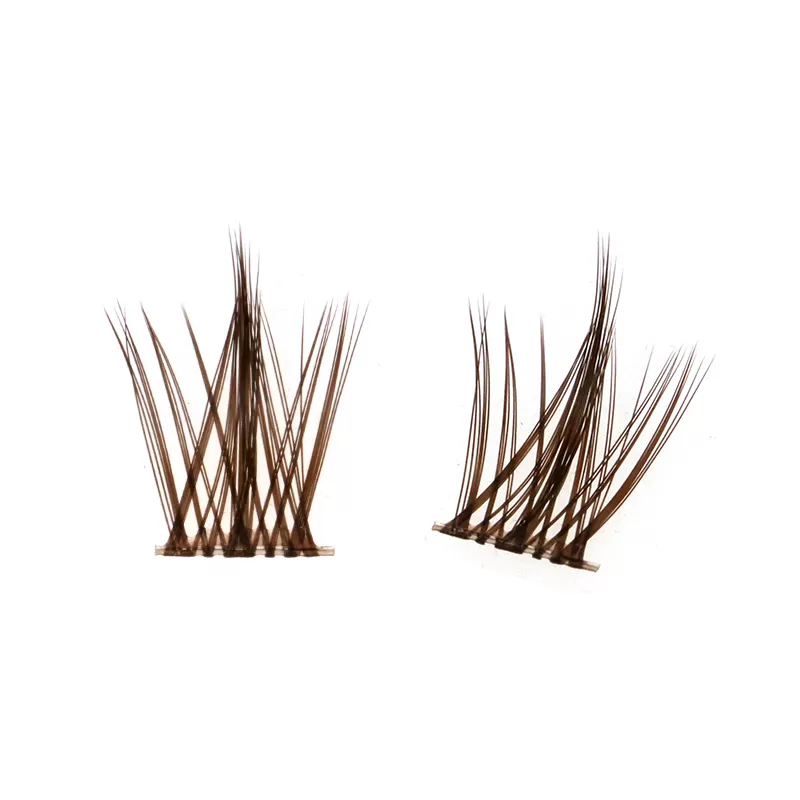
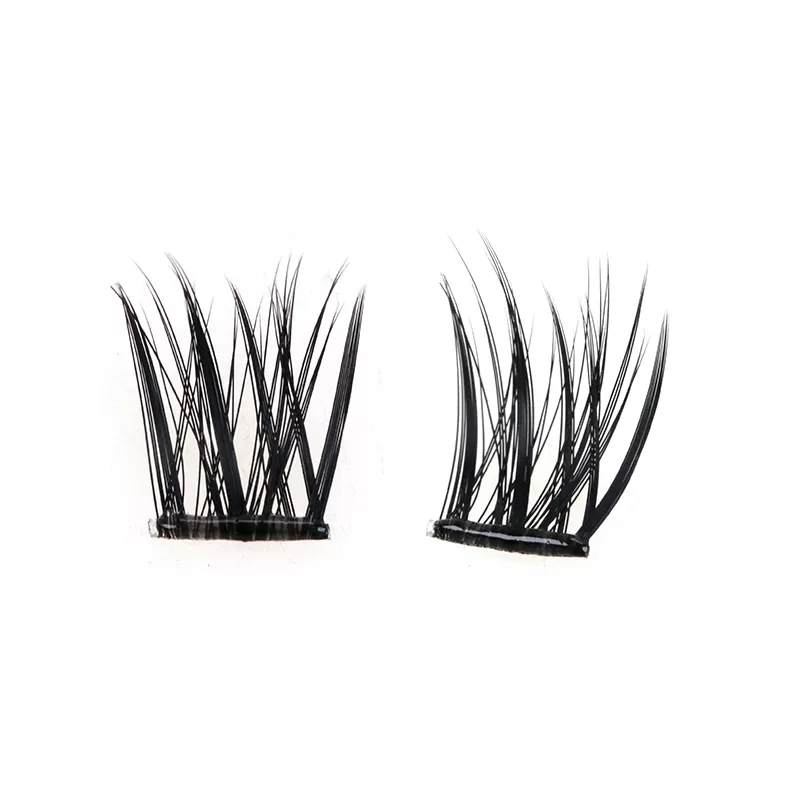
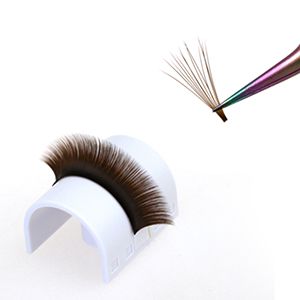
The sealed lash pack is the retail-pattern format: individual lashes pre-separated into small sealed strips or pouches, one length per pack. It's hygienic and portable — but you pay retail-level per-lash pricing and you open a whole pack whenever you need any lashes from it.
The structural difference drives everything downstream: a back card sells lashes by the thousand, a sealed pack sells lashes by the dozen.
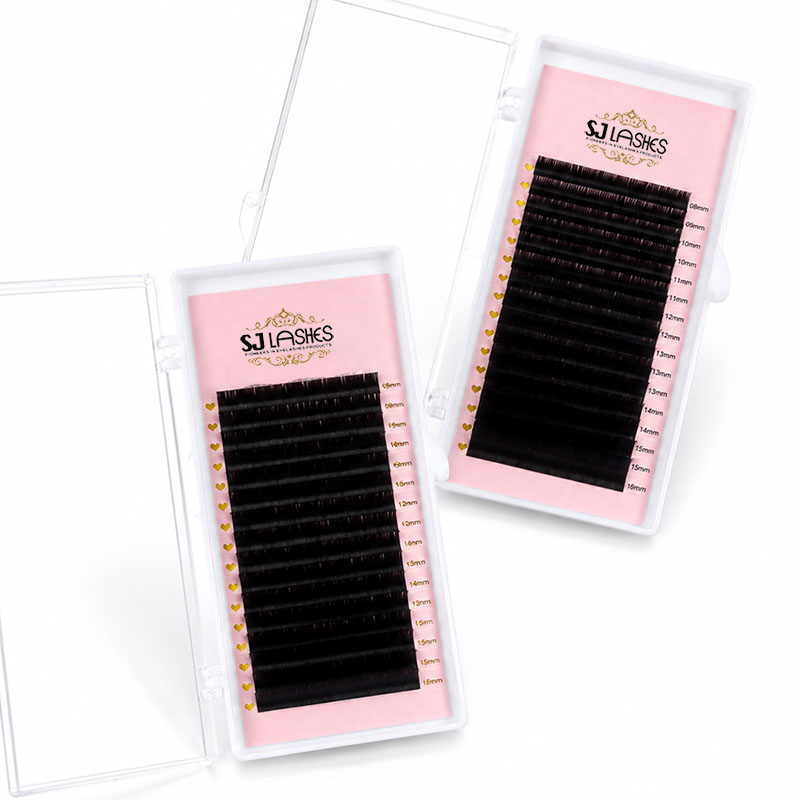
The economics of lash refills is a density game. A sealed pack might hold 40–60 lashes and cost what a dense tray charges for 300–500. When you divide the price by usable lashes — not the count on the label — the back card's advantage appears immediately.
The math that matters most is waste. In a sealed-pack workflow, opening a 50-lash pack to use five strands leaves 45 lashes exposed to dust, misplacement and cross-length mixing. In a dense-tray workflow, every length sits in its own coded row under a lid, so unused lashes stay sealed-in-place for the next set. Multiply that saving across 10+ sets a week, and the back card pays for itself within the first carton.
The third factor is speed. A length-coded tray turns "find a 10mm" from a search through five packs into a glance down one row — minutes saved per set, every set.
Dramatic Per-Lash Savings: Bulk density cuts unit cost by 40–70% versus sealed packs — straight to your studio margin.
Near-Zero Refill Waste: Length-coded rows and a protective lid keep unused lashes usable for the next set, instead of opened-pack leftovers.
Faster Service Workflow: One glance, one row, one length — less mid-set interruption, happier clients.
Complete Length Coverage: A single dense tray covers the full 8–15mm spectrum, so you stop running out of 9mm mid-set.
Higher Studio Value: For B2B buyers, private label dense trays (custom-printed backing, your logo) become a repeat-revenue consumable sold to other studios.
We believe in practical commercial judgment. Dense back cards are not for everyone. First, they assume professional handling: lashes are loose in rows, not individually sealed — a beginner or a messy workstation will waste more. Second, the upfront carton cost is higher than a single pack; the saving appears over volume, not on day one. Third, quality variance between factories is extreme — cheap trays use misaligned rows and brittle lashes; only source from a lash tray manufacturer that produces the lashes themselves, so density, curl and length code are consistent.
→ See the dense tray format and ask about bulk pricing: Contact SJ LASHES
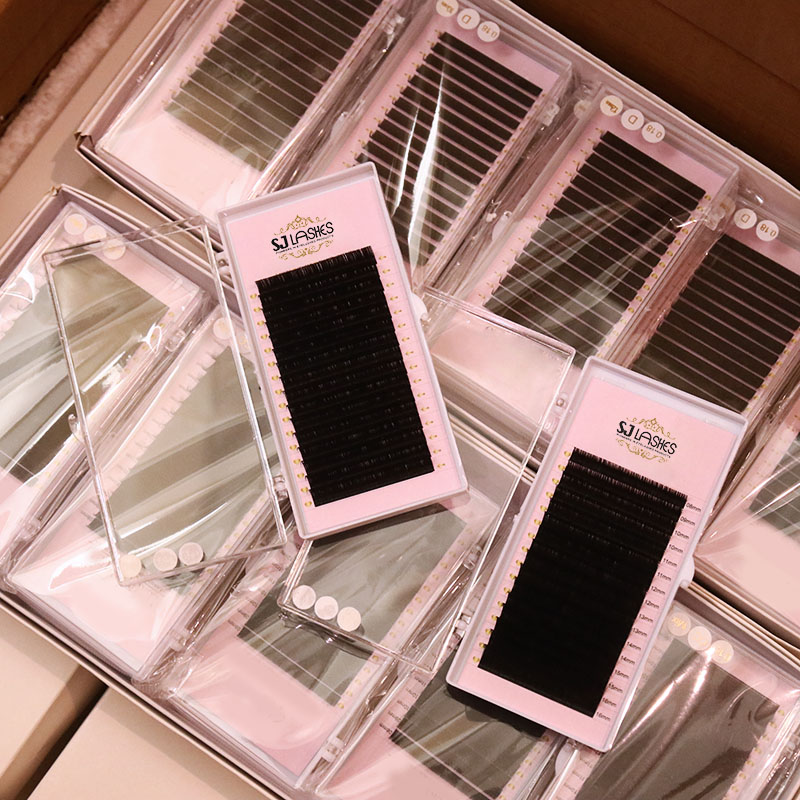
For commercial users: Salons and lash studios running 3+ full sets a week should make dense back cards their standard refill — the margin and workflow gains compound weekly. Lash academies and training schools use them to keep students practicing without burning through sealed packs. Wholesale buyers supplying studios should private-label dense trays: custom-printed backing with your logo becomes a repeat consumable order, not a one-time sale.
For busy lash artists: Freelancers with packed schedules benefit from length-coded trays that eliminate mid-set interruption — one tray on the table covers every set.
The most common mistake is buying by pack count instead of per-lash cost — comparing the price tag without dividing by usable lashes. The second is ignoring length coding: a tray without clear length indicators slows every set. The third is skipping the sample: dense rows demand aligned, consistent lashes, and only a sample reveals curl match, band quality and row alignment. And the costliest mistake for buyers: sourcing a tray from a factory that doesn't produce the lashes — mismatched quality between "tray" and "lash" is a guaranteed client complaint.
From our experience manufacturing dense-row bulk trays, the verdict is clear: working salons should standardize on dense lash back cards. The per-lash saving, the near-zero waste and the length-coded speed compound into visible margin within weeks. Sealed packs stay the right choice for beginners and travel — not for the studio table.
Dense rows. Coded lengths. One tray on the table for every set.
This is the professional refill format, engineered for studio economics:
Dense Multi-Row Trays: Hundreds of individual lashes per card, bulk-packed for refill volume.
Transparent Protective Lid: Dust-sealed rows that stay usable between sets and in transit.
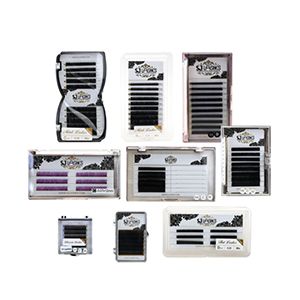
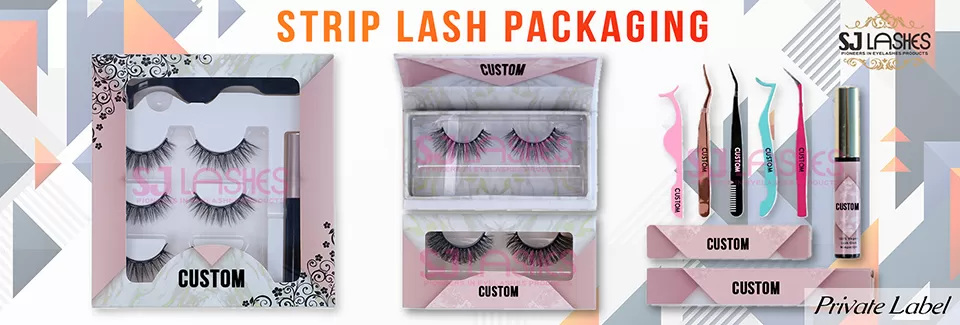
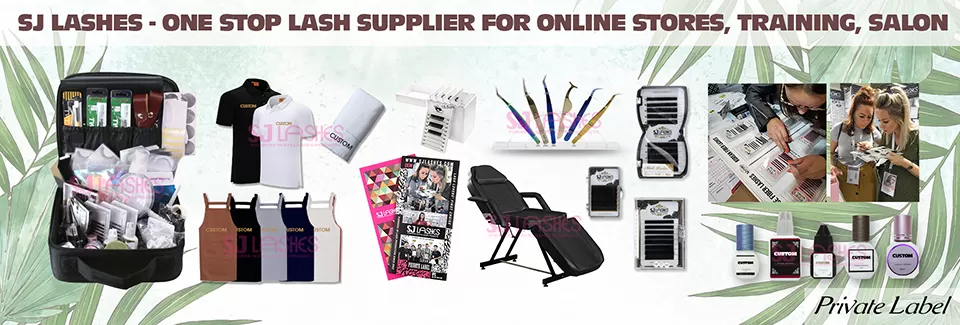
Fully Customizable: Private label backing with your logo, custom length ranges, curl and density options — with free design, low MOQ and fast sampling.
In 2026, the difference between a profitable studio and a busy one is often invisible: it's the refill tray. Dense lash back cards cut per-lash cost by up to 70%, eliminate opened-pack waste, and shave minutes off every set with length-coded rows. For brands, private label dense trays turn a consumable into a repeat-revenue line. The next step is the same for everyone: request a sample, run the math on your own volume, and let the tray pay for itself.
→ Send your logo, ask about MOQ and lead time, and stock your studio or brand with dense trays today: Contact SJ LASHES
Leave a Message